
Why Software Projects Fail and How to Avoid It
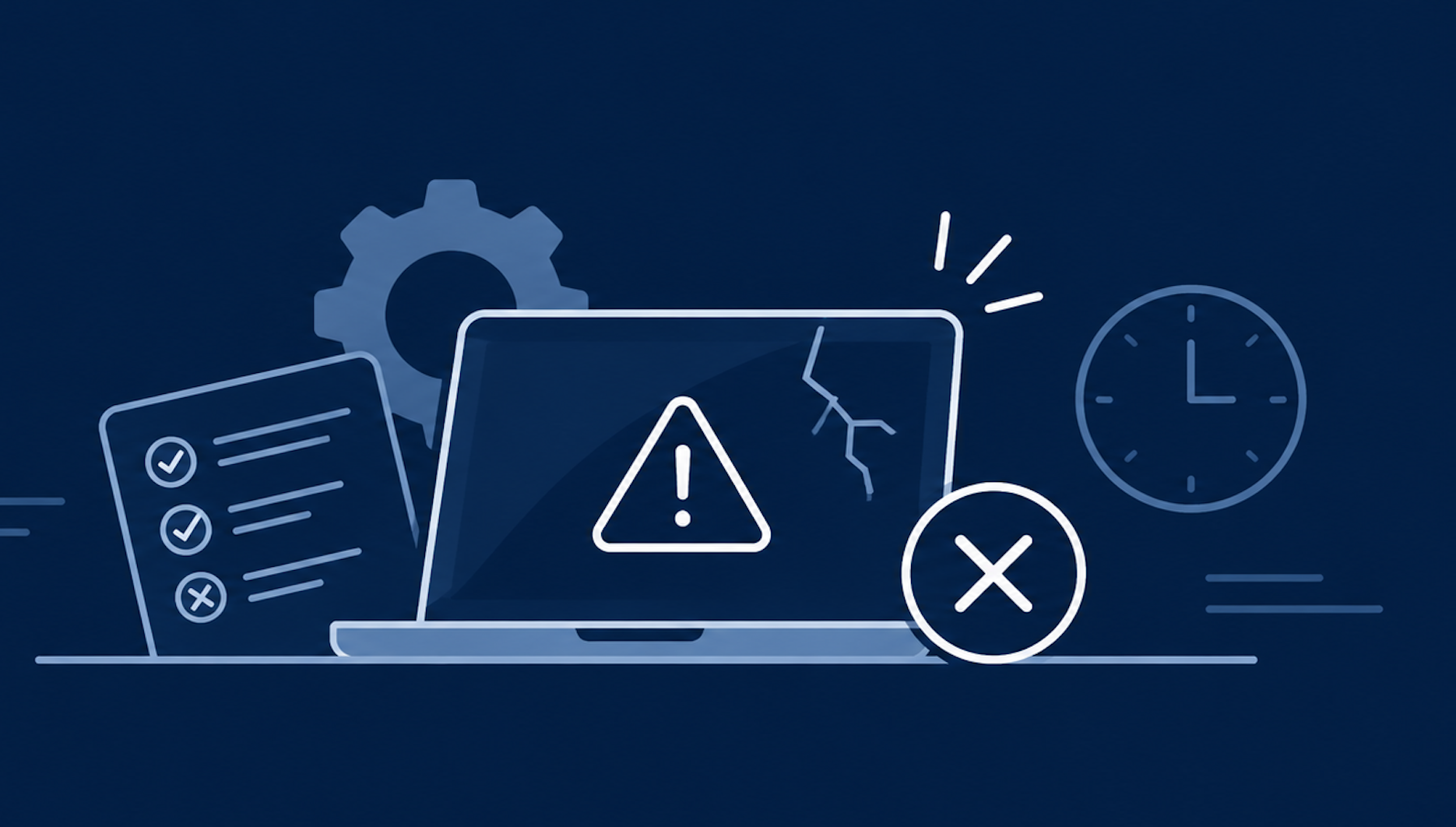
Software projects are not about writing code and building features. They also require understanding business needs, planning resources, managing expectations and creating solutions that give value. Yet with advances in technology and development practices many software projects do not meet their goals.
Some software projects go over budget others miss deadlines and many do not deliver the features that users truly need. In cases the problem is not the technology itself but the choices, communication and processes that guide its development.
Understanding why software projects fail is the step, toward building software projects that are successful, reliable and scalable.
1. Unclear Requirements and Project Goals
One of the reasons software projects don’t work out is when the goals are not clearly defined. When a business starts building software without knowing what it wants to achieve the development team may assume different things. This leads to confusion.
The result? Features that no one asked for, changes, higher costs and delays.
How to Avoid It:
Start by understanding what the software is meant to do. Identify the problem it will solve. List the functions it must have. Set goals so you can see if the project is working.
Talk to everyone involved. Stakeholders, users and team members. Make sure everyone agrees on the vision before development starts.
2. Poor Planning and Unrealistic Deadlines
Software development takes time. It involves planning, coding, testing and fixing.. Sometimes businesses think it can be done fast. Too fast.
When deadlines are set without thought the team feels pressured. That leads to decisions, mistakes and poor-quality code.
How to Avoid It:
Break the project into parts. Plan each phase carefully. Set dates based on what the team can actually do. Include time for testing and changes.
Use a method. This means working in cycles. It lets the team adjust, learn and improve as the project grows.
3. Lack of Communication Between Teams
A software project needs everyone to work together. Developers, designers, managers and business leaders must talk regularly.
When communication breaks down information gets lost. Teams may work on things. Tasks get. Missed. This slows everything down.
How to Avoid It:
Create ways to share updates. Use tools like Trello, Jira or Slack. Make sure everyone knows what’s happening.
Hold check-ins. Share progress, problems and decisions. Make feedback a normal part of the process. Not at the end.
4. Constant Changes in Project Scope
It’s common for new ideas to come up during development. Maybe someone wants a feature. That’s fine.. Only if it fits.
If changes happen without care the project can grow out of control. This is called scope creep. It increases cost and delays. It can also weaken the goal.
How to Avoid It:
Define the scope at the start. Write it down. Make it clear what’s in and what’s out.
When a new request comes in evaluate it. Ask: Does it help the business? Is it hard to do? Will it cost more. Take longer?
Prioritise. Only add what’s important. Save others for versions.
5. Insufficient Testing and Quality Assurance
Software can look complete. Still have bugs. Errors can cause crashes, security risks or poor performance.
If testing is skipped or done late problems are harder to fix. They become more expensive and risky.
How to Avoid It:
Test early and often. Check every feature as it’s built. Test for function, speed, compatibility and security.
Make quality assurance a part of development. Don’t treat it as a step. Catch issues while they’re still easy to fix.
6. Ignoring User Experience
A app isn’t always a good app. If users can’t find their way they won’t use it.
A confusing interface, loading or missing features can turn people off. Even the best technology fails if users don’t like it.
How to Avoid It:
Keep the user in mind at every stage. Talk to users. Watch them try the software.
Build prototypes. Test them. Get feedback. Make changes based on what users say.
Focus on navigation, simple design and features that actually help people.
7. Choosing the Wrong Technology or Development Partner
Some businesses pick technology just because it’s trendy. Others choose a developer without checking their skills.
Wrong choices can lead to problems later. The software may not grow with your business. It may be hard to fix or update.
How to Avoid It:
Choose technology based on what the project needs. Think about growth, security and support.
Pick a development partner who understands your goals. Look at their work. Check their communication skills. Make sure they can grow with you.
Building Software Projects That Succeed
software doesn’t happen by luck. It happens when you plan well work together and focus on users.
It’s not about making a product. It’s about solving problems. It’s about building something that grows with your business.
Start by understanding the problem. Plan carefully. Communicate clearly. Test often. Listen to users.
Do it right. You’ll reduce risk save money and build something that works.
At Tech Nirvana we know that every success starts with a goal. We help businesses turn ideas into software that matters.